Craft at Scale.The Virtual Brewery from Limehouse.
Photoreal CGI foundations. AI-powered iterations.
A future where you direct it yourself — we build the imagery, then multiply it.
The Studio
Behind the Pour.
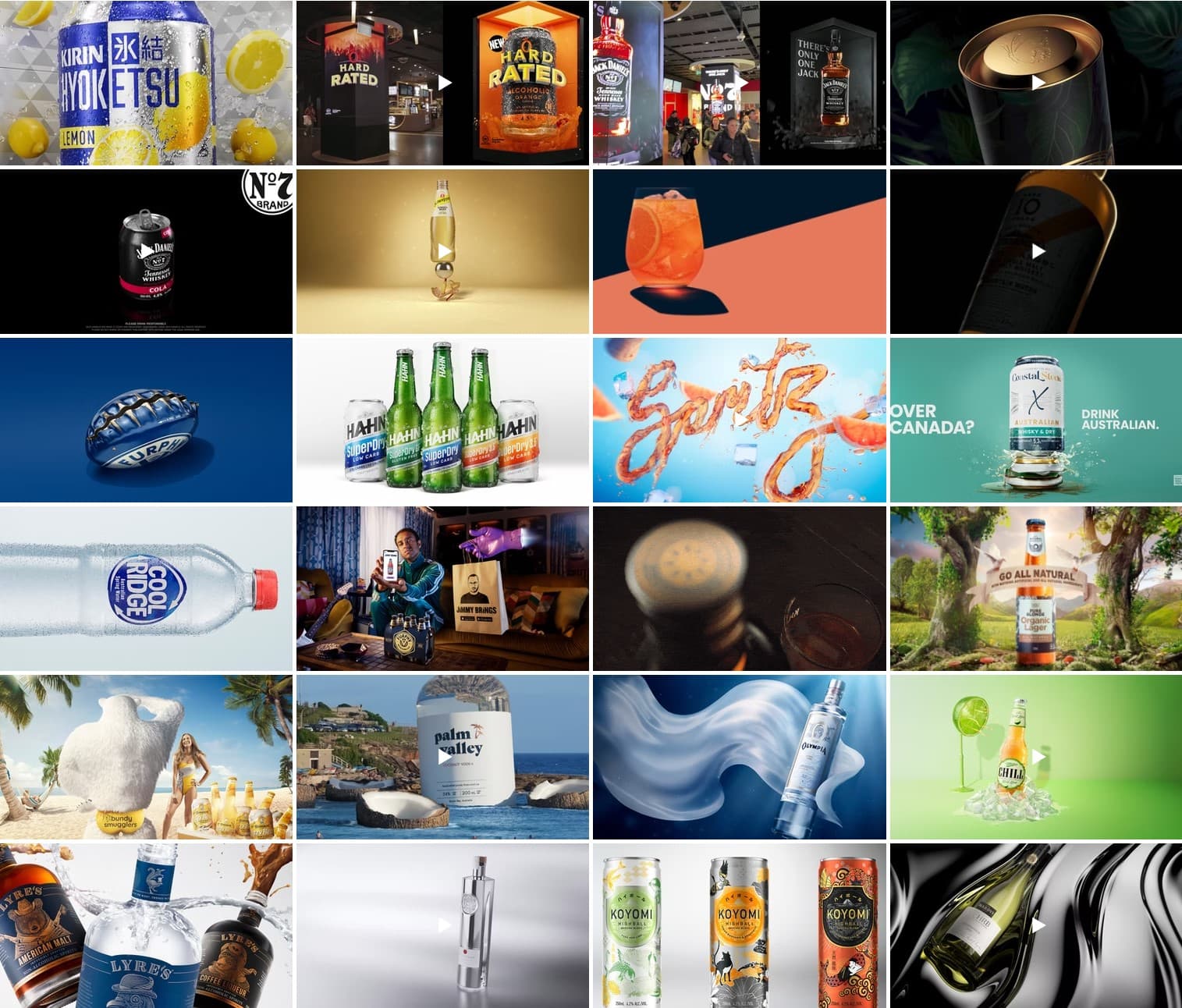
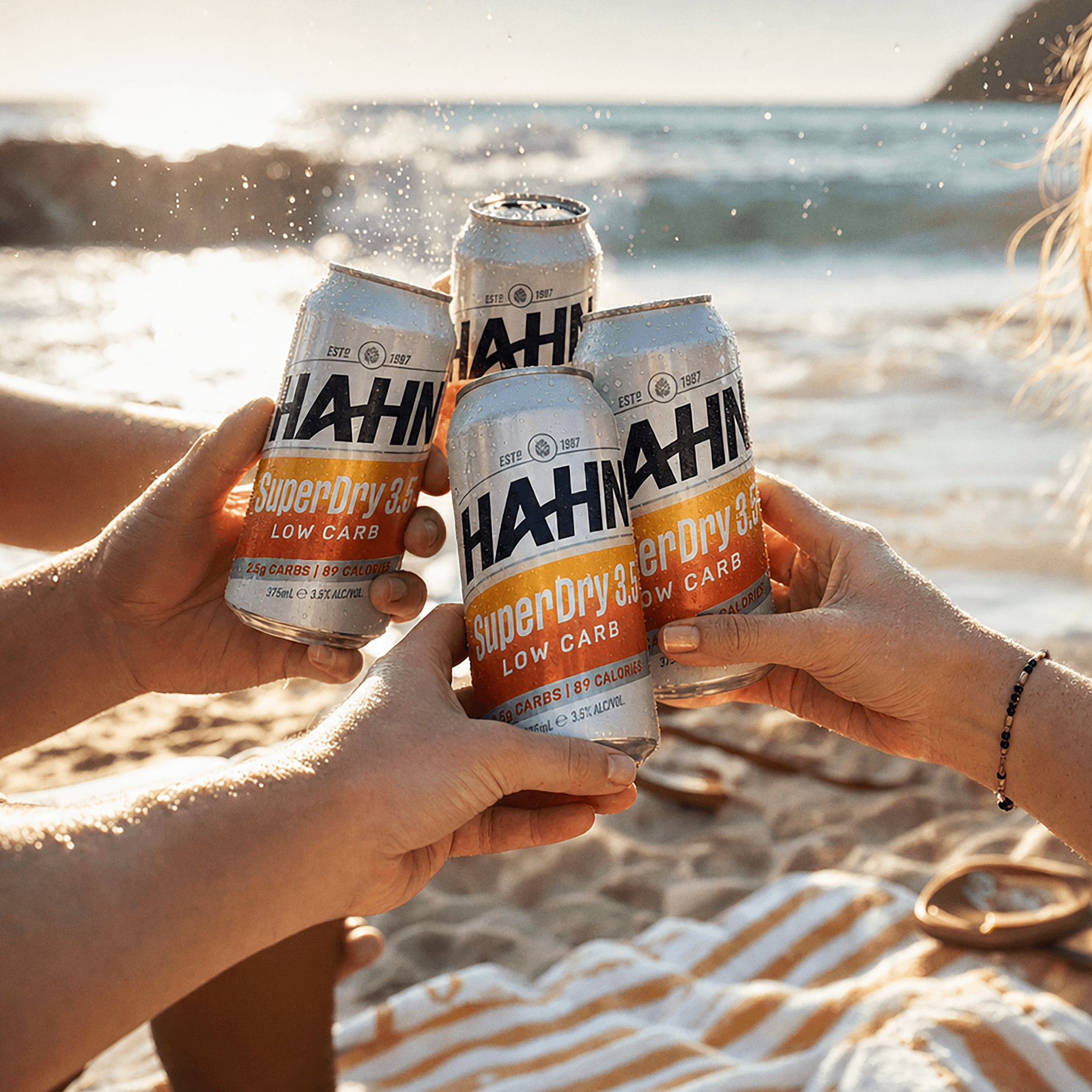
Limehouse has been producing photoreal CGI beverages for the world’s most recognised drinks brands. From regional craft labels to global category leaders — every pour, every condensation bead, every caustic light refraction built frame by frame.
Not just impressive at launch. Campaigns built here have stayed in market for years — still turning heads long after the competition has refreshed. That’s not luck. That’s the standard we set.
The Virtual Brewery is our next chapter — combining that same CGI precision with AI-powered iteration, and a new self-serve studio platform that puts the process in your hands.
CGI is the Prompt
Understanding the pipeline. Accountability at every stage.
Professional CGI and VFX follows a structured pipeline — from pre-production concept and previsualization through asset build, lighting, rendering, and final compositing. Every stage is planned against locked technical specifications before work begins.
3D geometry is built to brief, surfaces developed with physically based materials that hold up under any lighting. For stills, retouching and compositing in Photoshop brings each image to its final standard. For film, simulation, camera tracking, and multi-pass compositing assembles the finished frame.
Assets are versioned, approvals logged, and handoffs documented at every step. The pipeline is not just a creative workflow — it is an accountability system. Every asset has a known origin. Every delivery meets a documented specification.
Pre-Built Containers
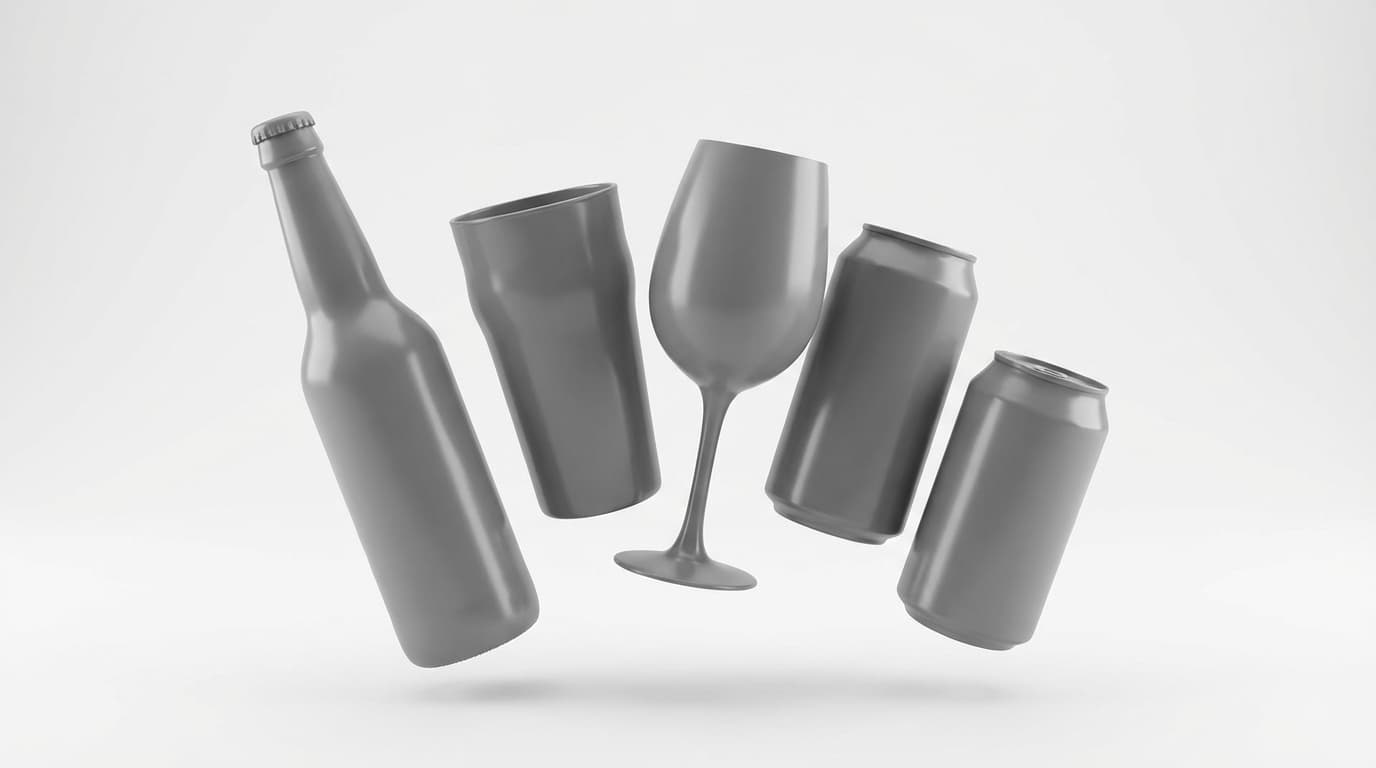
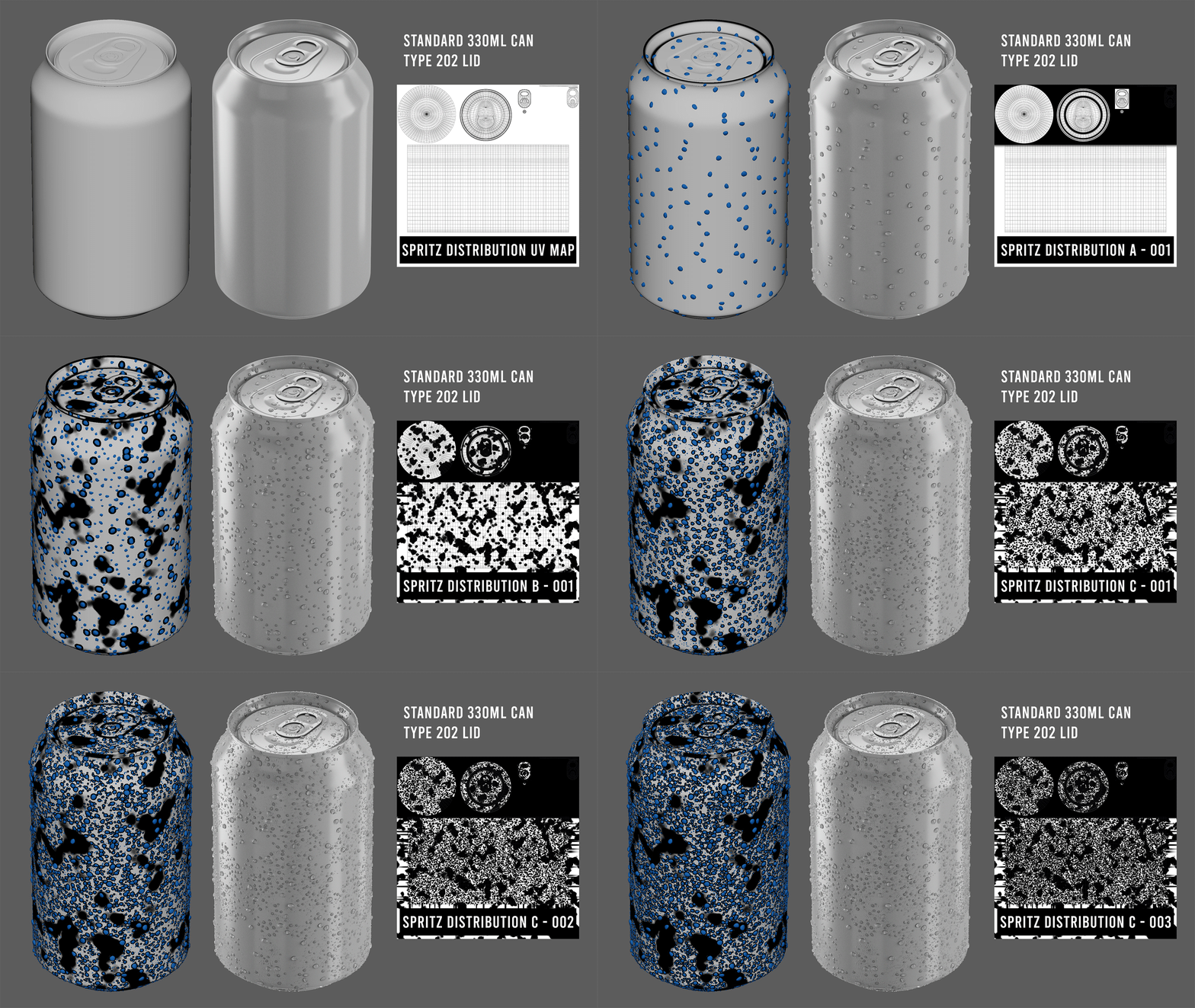
Every project begins with geometry — bottles, cans, multipacks, and format variants built to CAD-accurate specifications from client-supplied technical drawings or physical product references. Geometry is modelled at production resolution, UV-unwrapped and structured for texture application, physics simulation, and downstream AI generation. The container is the foundation everything else is built on.
Textures & Artwork
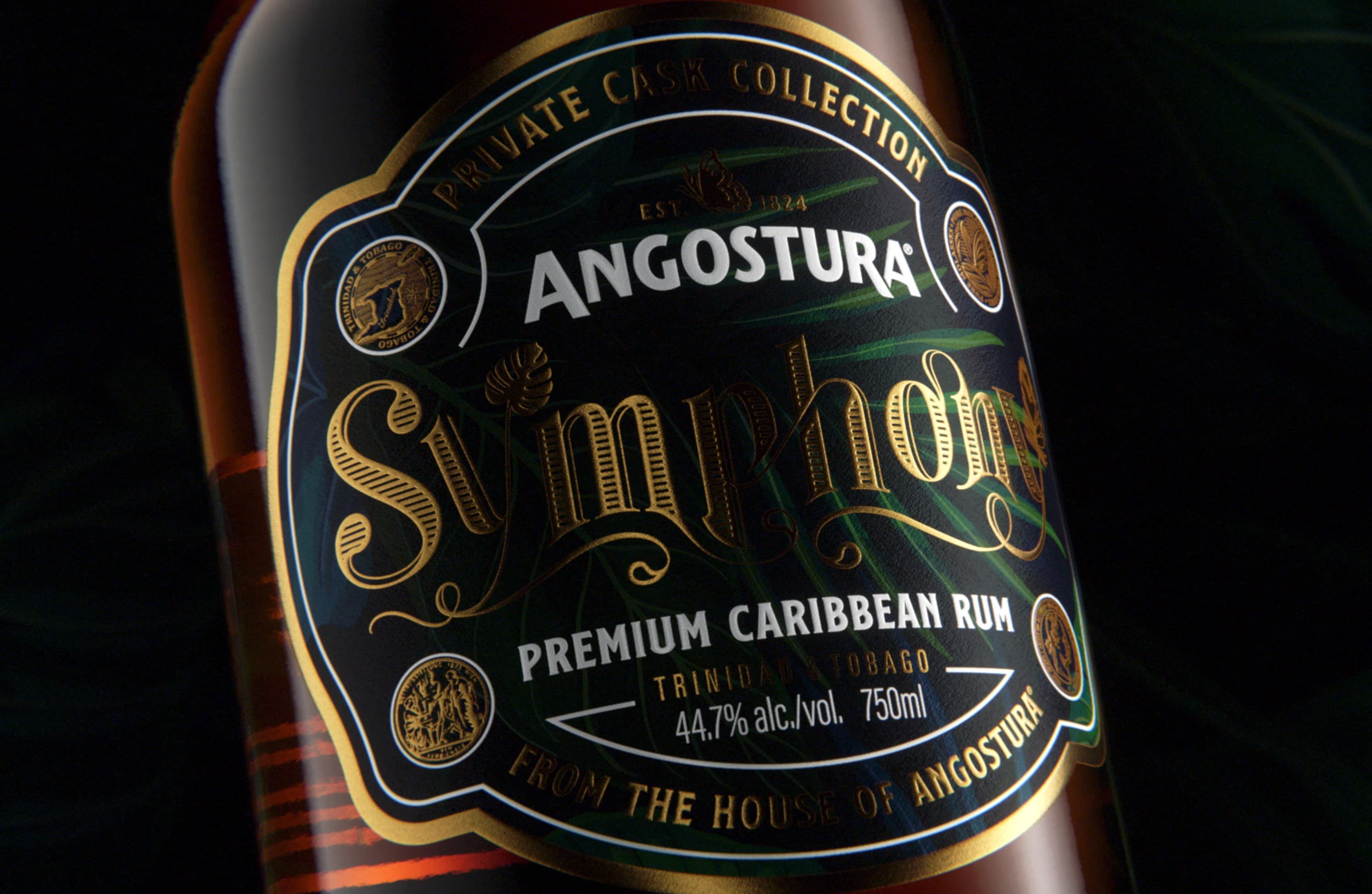
Label artwork, print finishes, foil treatments, and material maps are applied directly to the geometry using physically based rendering workflows. Client-supplied artwork files are mapped precisely — no approximations, no generic materials. Every surface — glass, aluminium, paper label, matte varnish, embossed detail — behaves correctly under any lighting condition because it is built from real material data, not painted on top.
Spritz & Liquid Physics
Liquid behaviour is simulated at the geometry level — viscosity, surface tension, carbonation density, pour dynamics, and condensation all driven by physics solvers rather than hand-painted effects. Spritz, bubble trails, condensation beads, ice interaction, and pour streams are generated as simulation outputs and integrated into the scene before rendering. The result is liquid that moves and reads like liquid, because it is.
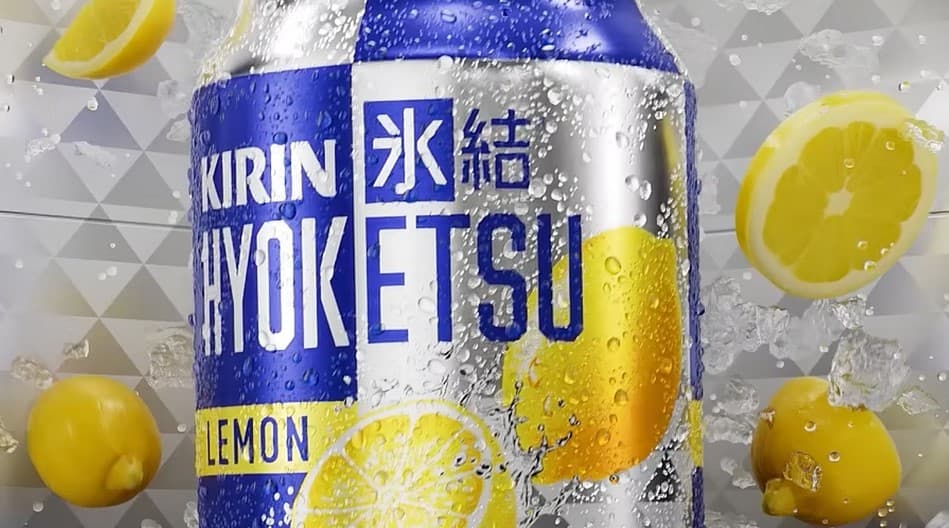
Camera Angles
Virtual camera setups are built and locked before rendering begins — focal length, sensor size, depth of field, and motion paths defined to match the campaign brief. Hero angles, detail close-ups, pour sequences, and pack-shots are all output from the same scene, maintaining consistent lighting and geometry across every frame. New angles and format variants can be generated from approved scenes without rebuilding assets from scratch.
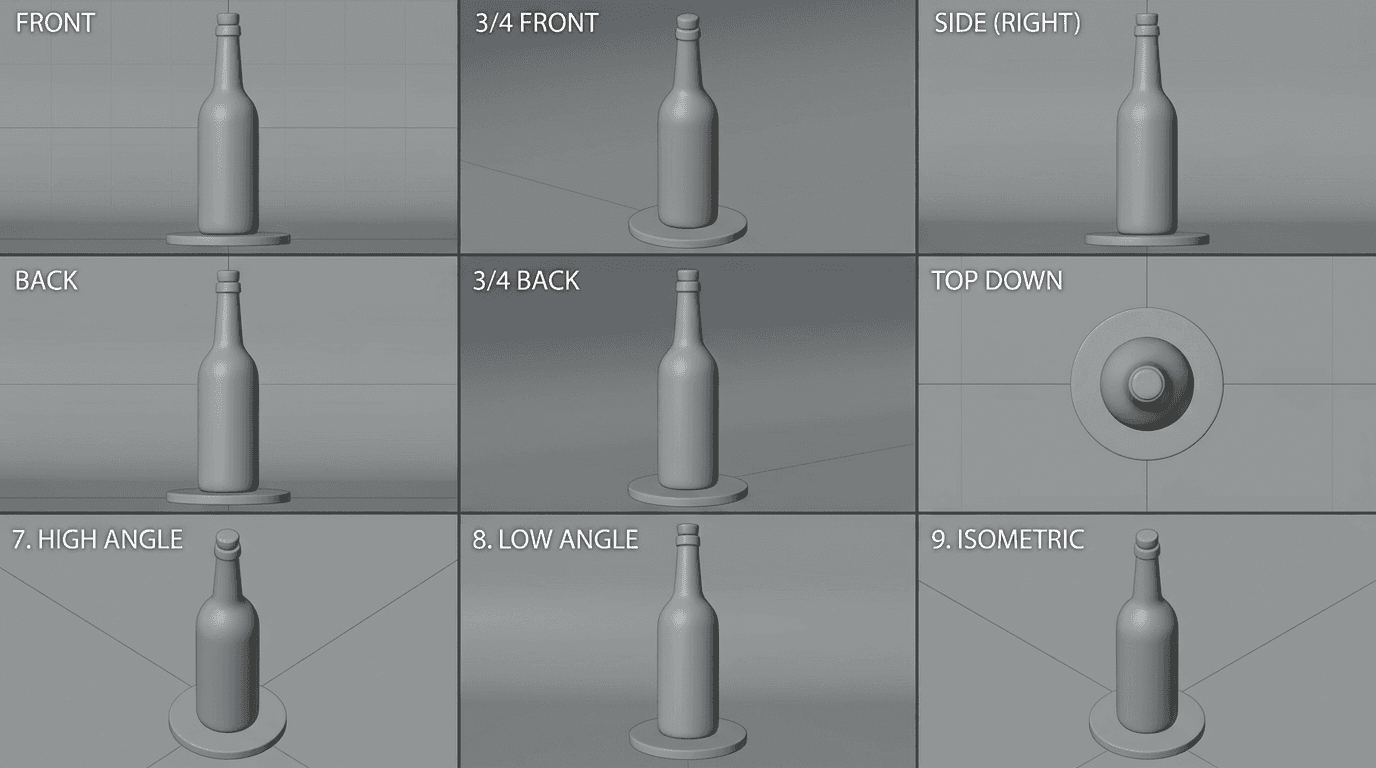
Lighting & Final Render
Physically based lighting rigs replicate studio setups or create entirely virtual environments — rim light on condensation, caustics through glass, backlit liquid glow, environmental reflections. Final renders are output at campaign resolution across all required formats: TVC, 3DOOH, digital, print. Every render pass is retained — diffuse, specular, shadow, depth — so compositing and post adjustments can be made without re-rendering the full scene.
AI Integration & our expanding pipeline.
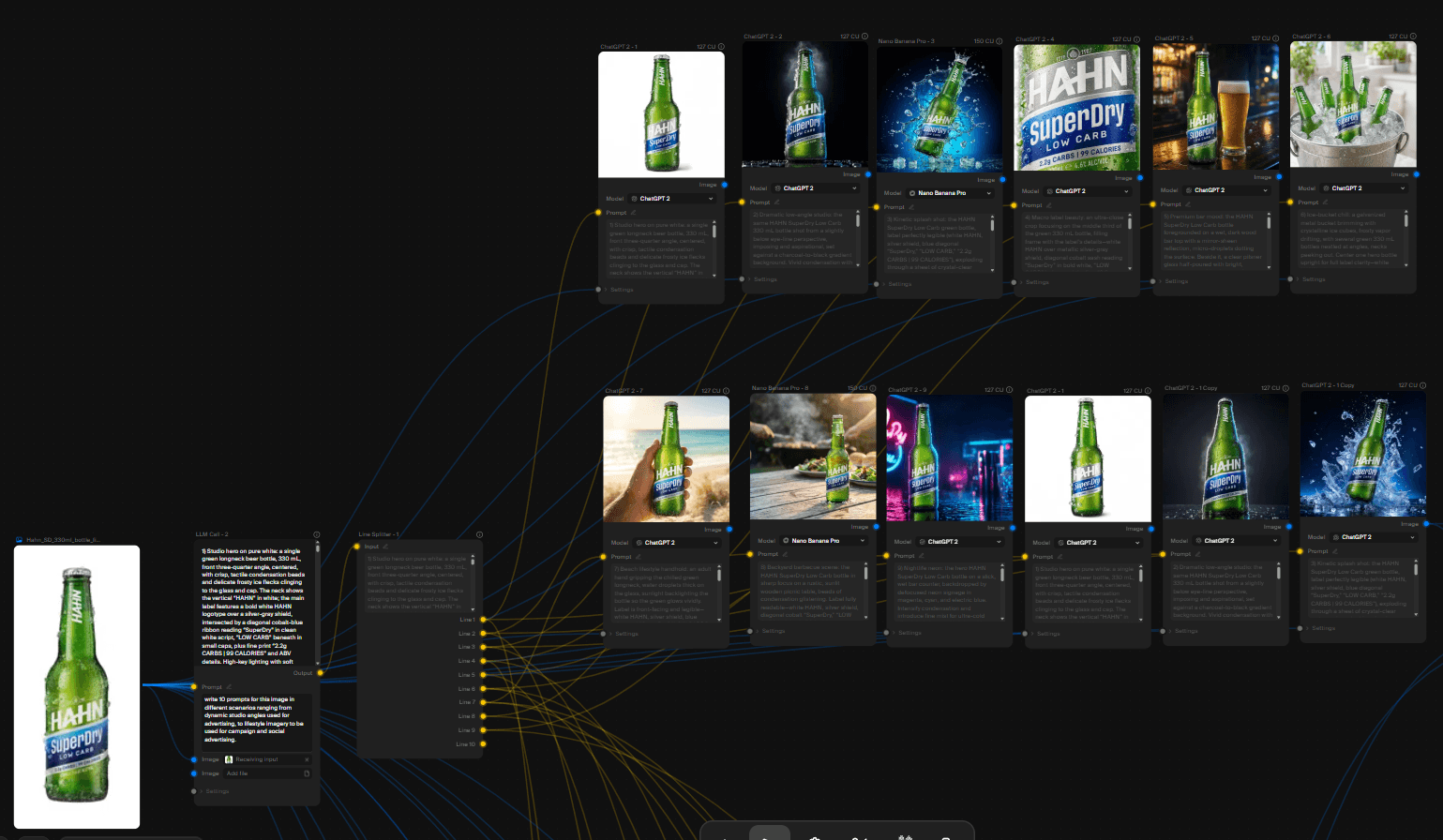
With approved CGI renders as the source layer, generative AI tools iterate variations at a fraction of the time and cost of traditional re-shoots. Because the geometry, textures, lighting, and brand assets already exist within the pipeline, the AI is working from owned, approved material — not generating from scratch. Seasonal treatments, regional adaptations, background environments, and format variants are produced rapidly from the same foundation. The asset library built for one campaign becomes the starting point for the next. Time compresses. Output multiplies. The creative standard stays the same.
Built With
Core Technology
The Future Pipeline - TVB Studio.
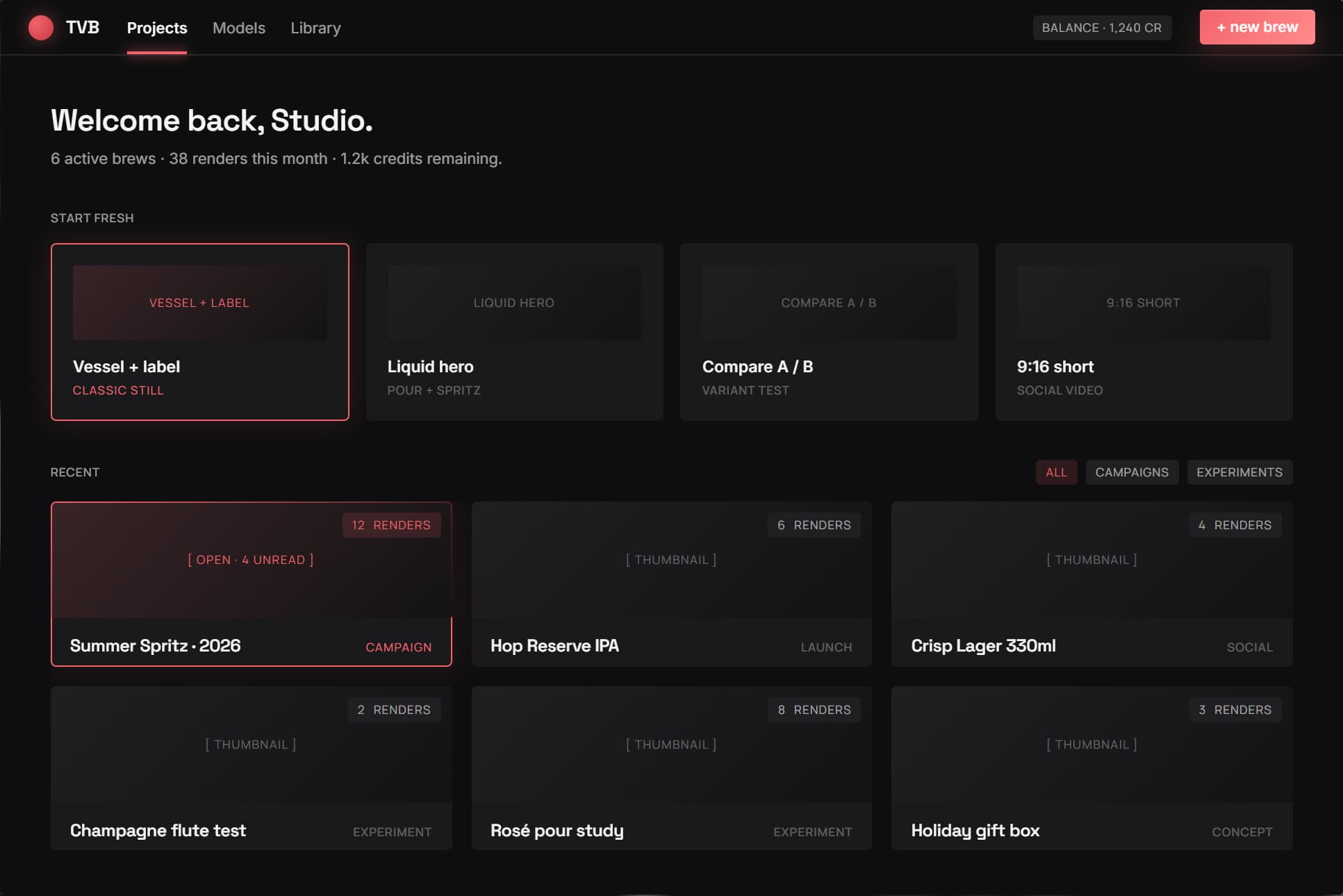
TVB Studio brings this entire workflow into a single unified platform accessible to clients. Rather than each stage sitting across separate applications connected only at the studio level, TVB Studio presents the pipeline as one coherent tool — Limehouse's CGI asset library, the trained LoRA models, the generation layer, and the compositing and export stage all operating together.
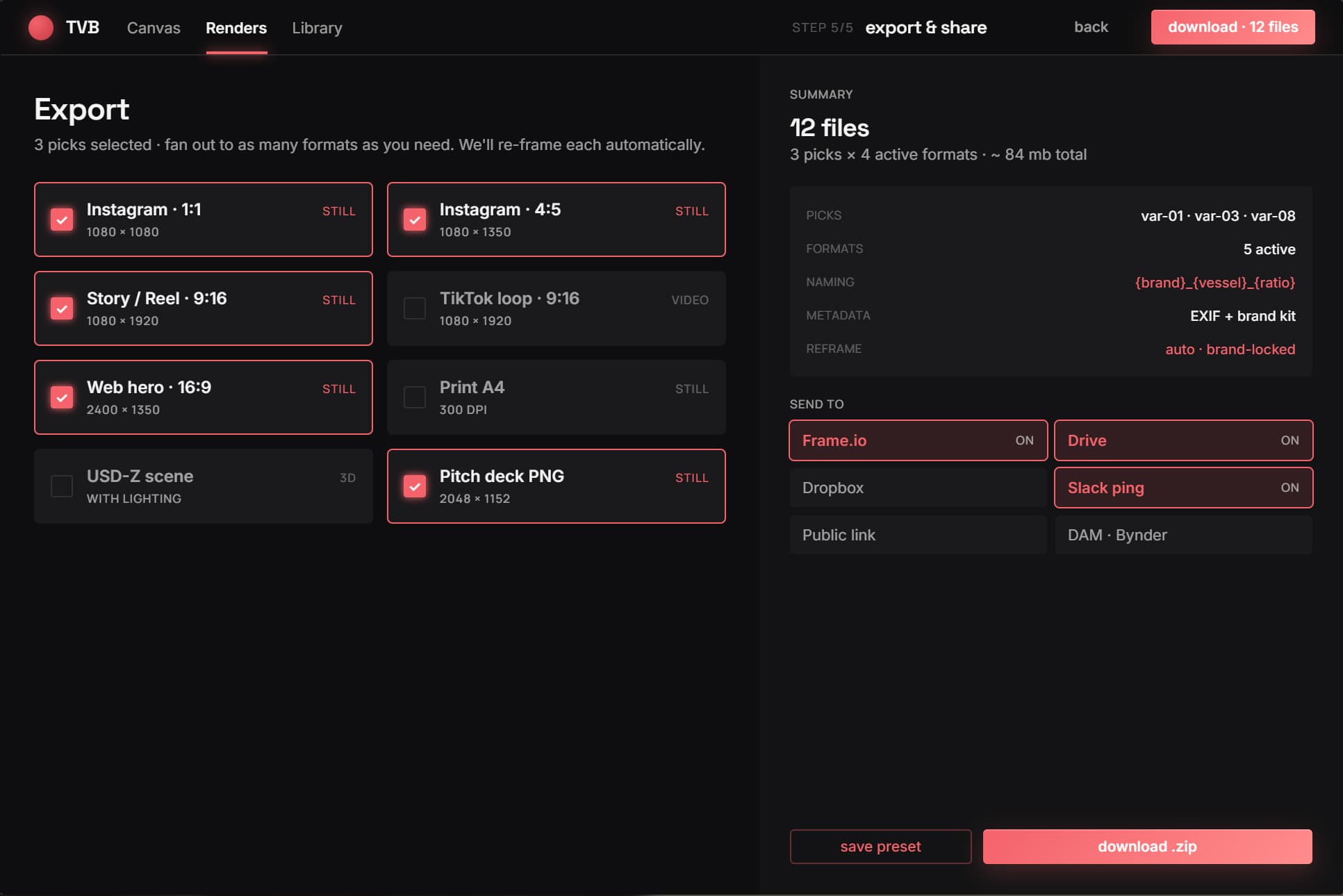
Clients work from Limehouse's pre-built CGI foundations or bring their own assets and brand reference into the system. The AI layer generates from that approved base. Compositing adjustments, format variants, and final exports are handled within the same environment. The MCP connections that link the underlying tools together are invisible to the client — what they experience is a single creative interface where brief becomes output without the pipeline getting in the way.
The craft stays the same. The process becomes the product.
A full-featured creative workspace where you direct the imagery. Render once, iterate forever. Build, refine, and multiply your products at scale with complete creative control.
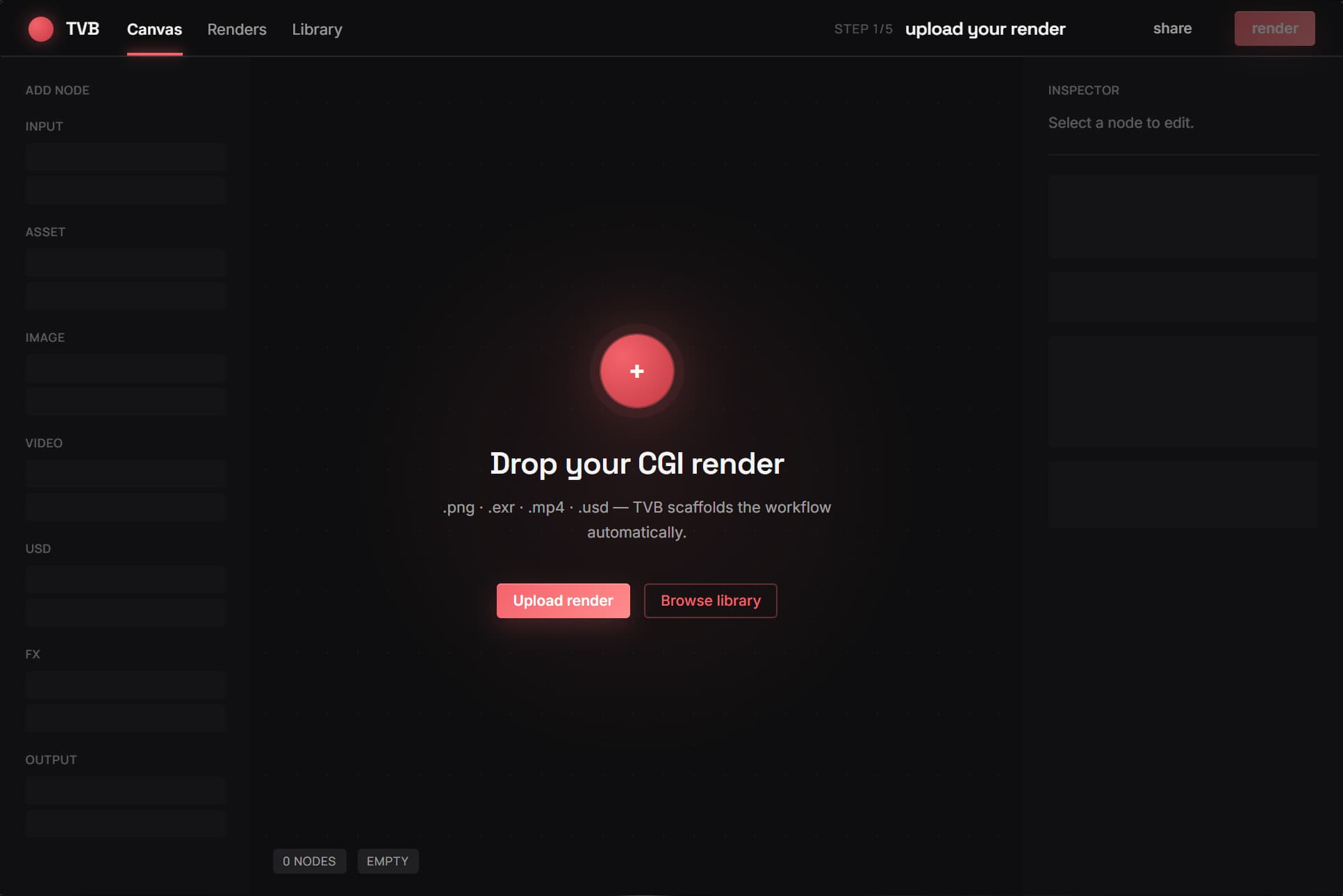
The Generation & Compositing Pipeline.
Connected, Controlled, Unified.
The generation stage uses locally run AI platforms connected directly to the CGI and compositing pipeline through MCP (Model Context Protocol) — an open standard that allows different applications to communicate and pass data between each other in real time. This means Maya, Houdini, and compositing tools are not separate steps requiring manual export and import.
They are connected nodes in a single unified workflow.
Running locally means the studio retains full control over the models, the data, and every output. Nothing is sent to an external server. Client assets stay within the pipeline at all times. The process looks like this:
- Train — LoRAs built from Limehouse CGI renders and client-supplied assets, teaching the model the specific visual language of the product and brand.
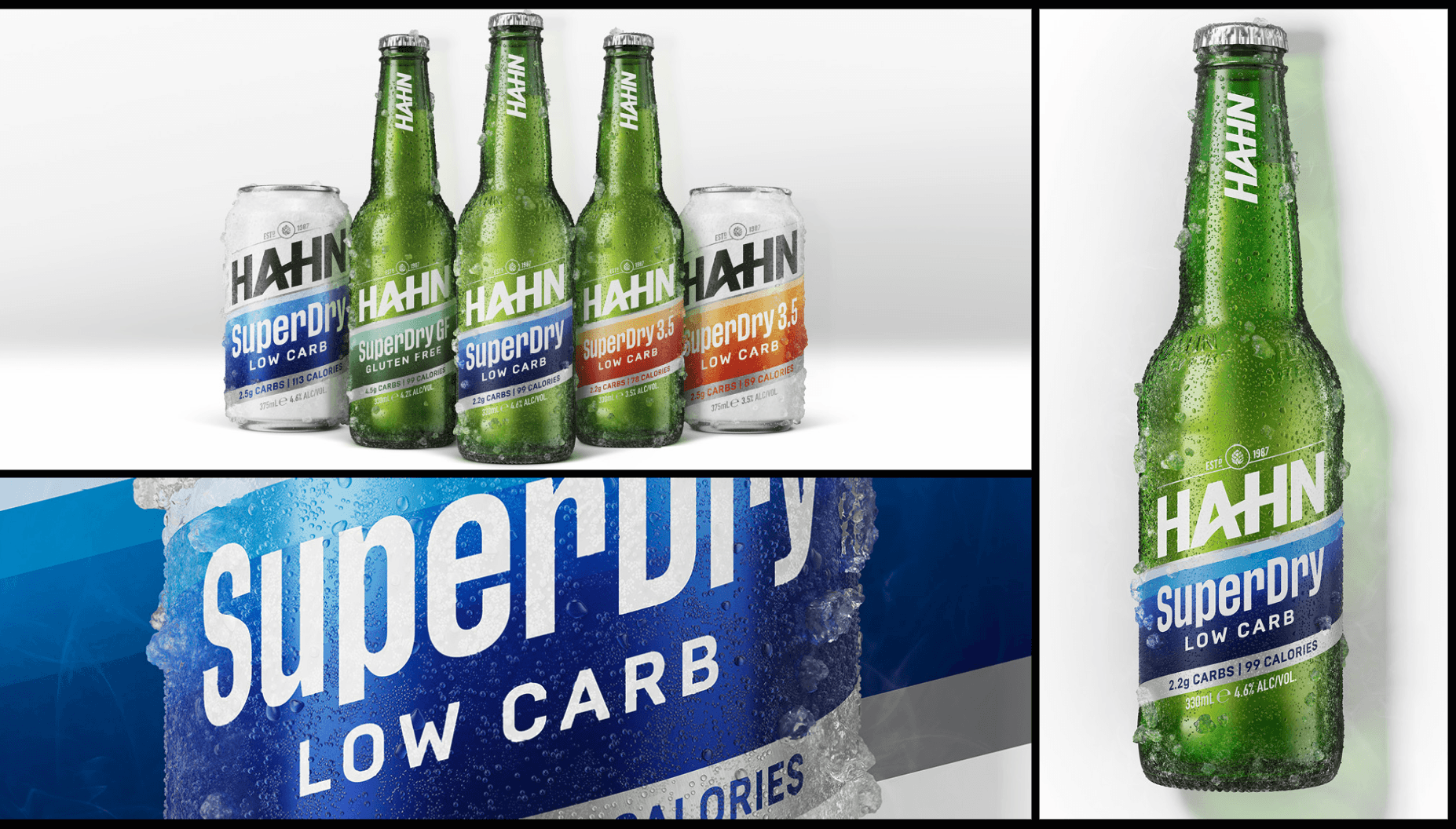
- Build — CGI foundations produced in Maya and Houdini. Approved renders output as the source layer and reference inputs for generation.
- Connect — Maya, Houdini, and compositing tools connected to the local generative AI platform via MCP. CGI outputs flow directly into the generation workflow. Approved AI outputs flow directly into compositing. The pipeline moves without friction.
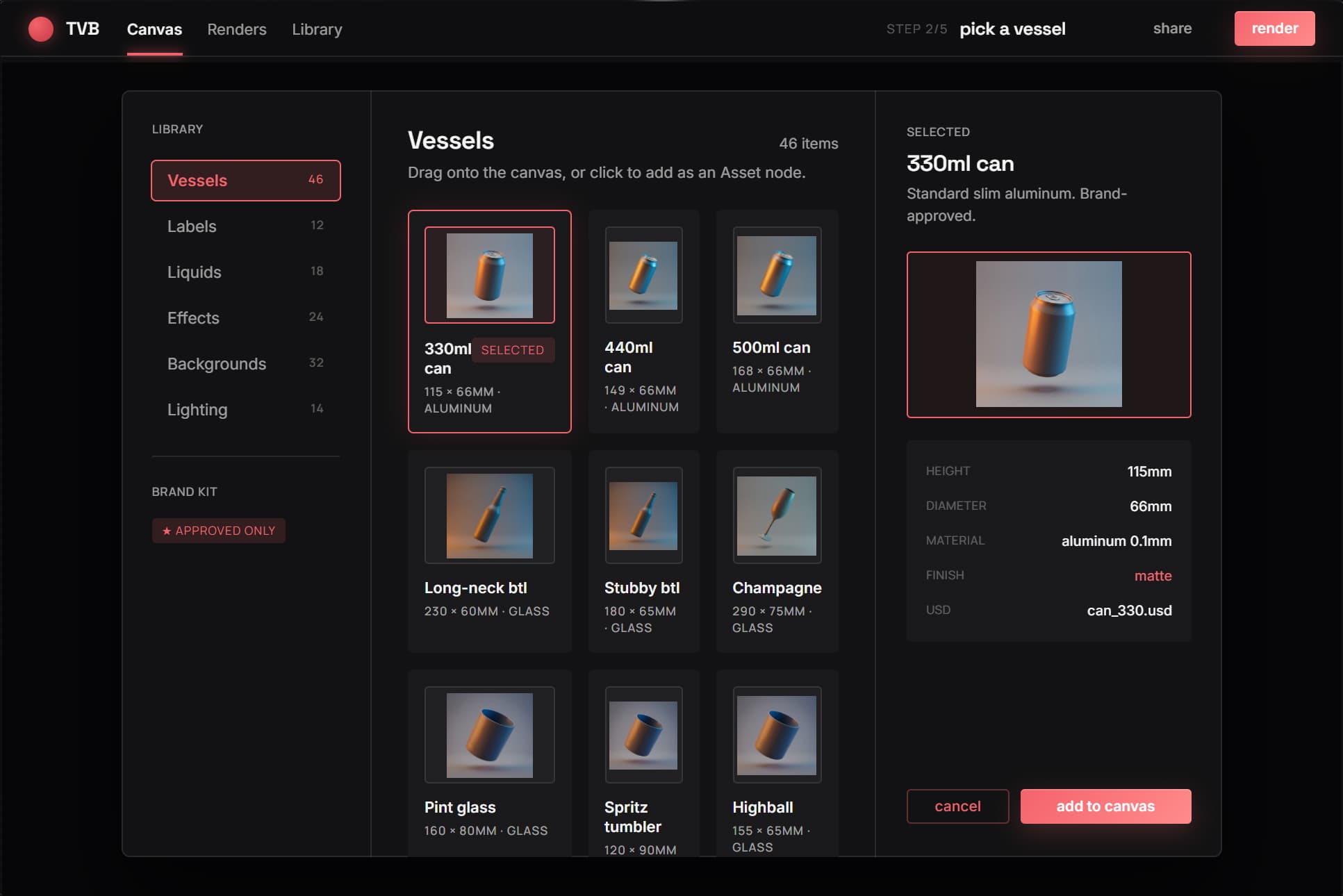
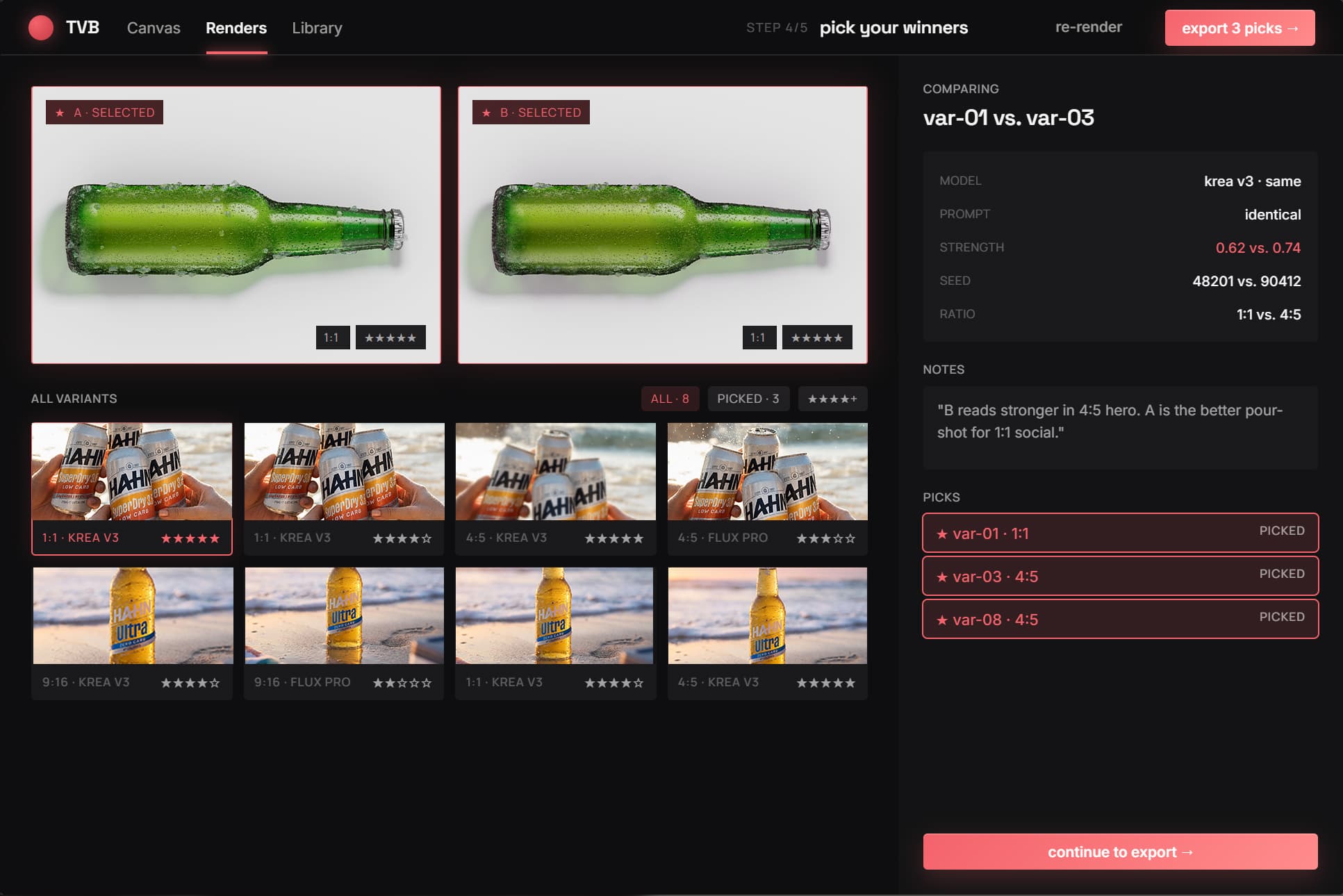
- Generate — AI outputs produced using CGI renders as reference inputs and trained LoRAs as the visual language layer. The model knows the product, knows the brand, and is generating from owned source material.
- Scale — Variant outputs produced at volume: seasonal treatments, regional adaptations, format changes, lighting moods, background environments. Every output is anchored to the same CGI source and consistent across the full set.
- Composite & Edit — AI-generated outputs pass directly into the compositing stage within the same connected pipeline. Artists work with AI elements as they would any other production asset — grading, masking, integrating with live-action plates or additional CGI passes, and applying final retouching and output formatting. Approvals are logged at each stage.
- Review & Deliver — Human artists select, refine, and approve before anything reaches the client. Final assets are output at campaign resolution across the required formats.
Safeguarding Brand Integrity in Hybrid AI CGI Pipelines.
Legal defensibility. IP protection. Brand consistency.
The commercial context for this pipeline is not only creative - it is legal and reputational. Clients commissioning high-value CGI and VFX work are protecting brand assets built over years of significant investment. They require that outputs look correct, that the process is defensible, that ownership is clear, and that the framework will not expose them to the IP risks now present across the generative AI landscape.
Brand integrity. Without constraints, generative AI tends toward the visually average - the most common lighting setups, the most typical material treatments. This is a liability for brand work, where distinctiveness is the objective. Content generated purely by AI can drift from established visual identity and dilute brand integrity.
Legibility. A CGI-produced asset carries a clear account of its provenance - what was built, what reference was followed, what approvals were made. An asset generated from a text prompt alone carries none of this. The hybrid pipeline ensures every client-facing deliverable has a clear line of provenance back to the CGI foundation layer.
Copyright. The legal landscape around generative AI has hardened significantly. Commercial AI content carries three distinct exposure risks: direct infringement claims if outputs reproduce protected works; secondary liability through the tools and vendors used; and loss of IP protection for outputs lacking sufficient human authorship. All three are live risks in 2026.
The hybrid pipeline addresses all of this through source material ownership. When the input to every AI generation is an owned CGI asset - geometry modelled from scratch, textures painted by studio artists, lighting designed for the project - the derivation chain passes entirely through the studio’s own IP estate. The AI tool processes your IP. It does not generate from someone else’s.
The quality of the AI output is a function of the quality of the CGI input. The consistency of the AI output is a function of the discipline of the CGI workflow. The defensibility of the AI output is a function of the ownership of the CGI source material.
The Evolution
Of Real
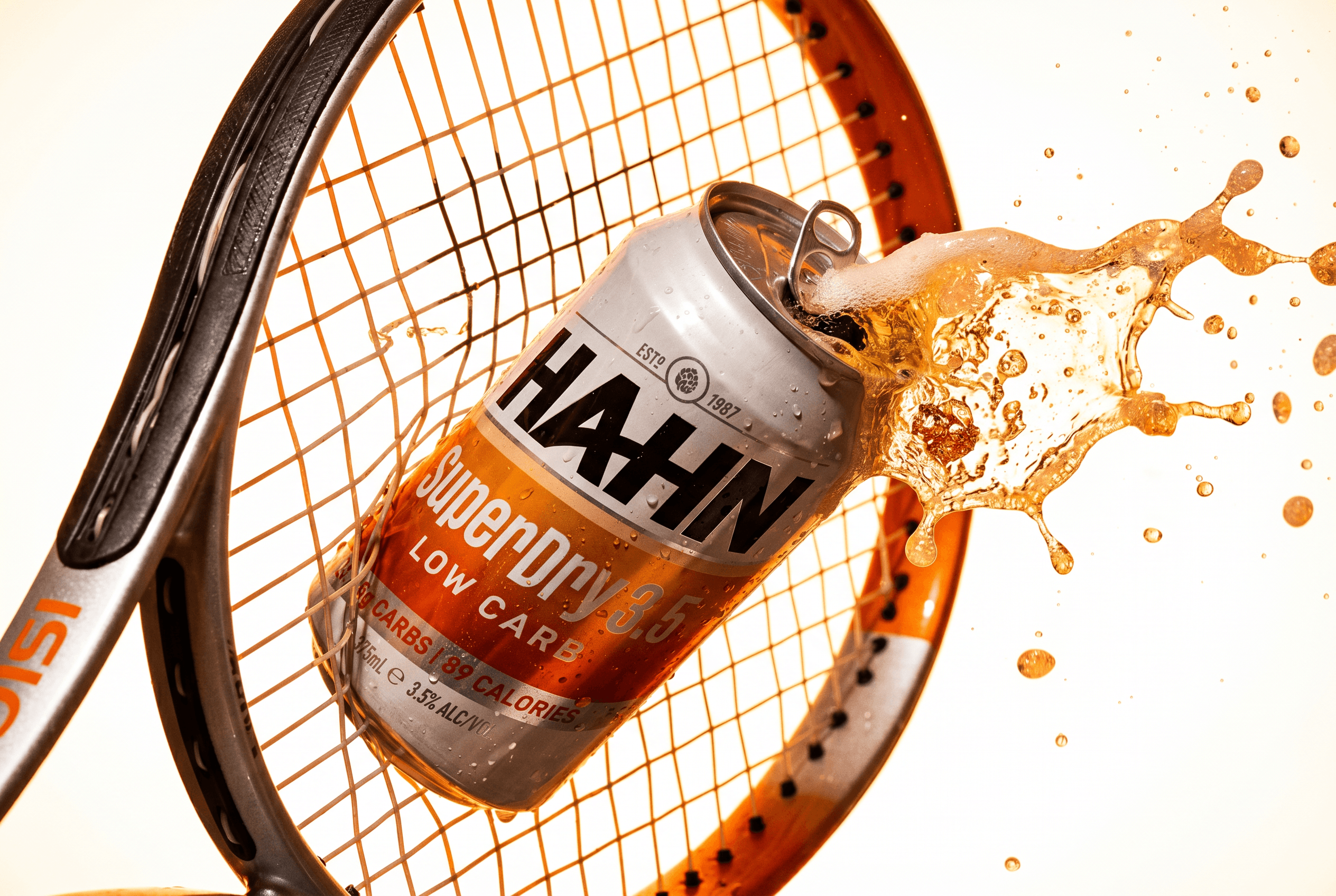
We bridge the gap between technical wireframes and hyper-realistic cinematic output. Every bubble, drop, and refraction is engineered to perfection.
Let’s Work Together
Your Product Deserves
to Look This Good.
Whether you’re launching a new drink, refreshing a campaign, or exploring what CGI + AI can do for your brand — Limehouse is the team that makes it happen. Talk to us about your next brief.
info@limehousecreative.com · Based in Australia · Working globally
Studio
Limehouse
48 Chippen Street
Sydney
NSW 2008